
Not your usual leaders, not your usual times.
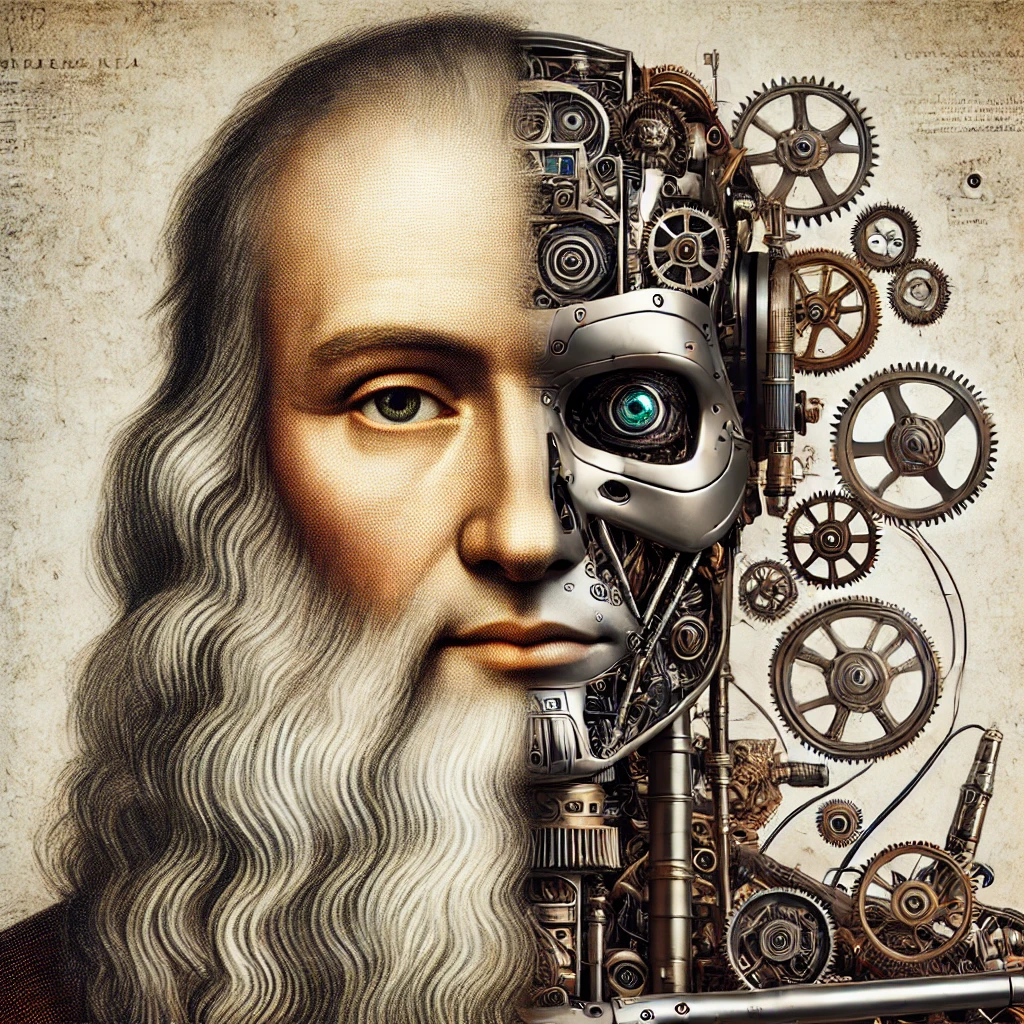
The leaders of present futures must emerge surrounded by disrupted technology and at faster pace than our ability to understand their impact. Especially in the field of healthcare, we need a new breed of leaders — visionary people who not only understand the mechanics of generative AI but also embody a profound sense of responsibility, ethics, and empathy.
These new leaders are connectors, bridging the worlds of medicine, technology, ethics, and humanity. True superspreaders. They come from diverse backgrounds: some are doctors, some are data scientists, others are philosophers or patient advocates. Who cares what their background is! What unites them is their vision of what healthcare can become when powered by generative AI used responsibly. They understand that AI is not just a tool; it is a collaborator, a partner in improving the quality of care. A brand new agent. They see a future where AI augments human decision-making without diminishing the core value of empathy that defines healthcare.
This new generation of leaders knows that transparency is key. They advocate for open systems where patients, healthcare providers, and developers all understand how and why an AI reaches its conclusions. They challenge the black-box nature of AI systems and push for models that can be explained and scrutinized. They are the advocates who demand that bias in data is acknowledged, mitigated, and addressed, ensuring that no group of patients is left behind.
The architects are listeners. They listen to patients, understanding their fears and expectations. They listen to fellow healthcare professionals, appreciating the pressures they face and the nuances of their expertise. They are not here to replace doctors with machines, but to equip every healthcare professional with tools that expand their capacity to heal, innovate, and care.
These leaders are also courageous disruptors. They question the status quo, not out of a desire for power or fame, but because they genuinely believe that we can do BETTER. They understand that ethical considerations are not a side note; they are central to the adoption of generative AI in health. In a field where trust can mean the difference between life and death, these leaders understand that the ethical use of technology is a non-negotiable foundation.
As we navigate an uncertain and rapidly changing landscape, the architects are the ones who will guide us through—not because they have all the answers, but because they have the wisdom to ask the right questions, the empathy to understand diverse perspectives, and the determination to create a healthcare system where generative AI serves humanity, ethically and equitably.
The time for new leaders has come. Leaders who are architects not just of technology, but of trust, equity, and care.
Leave a Reply